If You Don't Do This, You'll Age 20 Years Faster
Physical exercise isn't optional — it's a daily non-negotiable for longevity. Felipe Isidoro explains why strength and VO2 max are the real biomarkers of biological age.
Educational content — not medical advice. This article is informational only and does not replace personalized care from a qualified healthcare professional. Read our full medical disclaimer.
The goal isn't to add years to the calendar — it's to expand the quality of those years. In this conversation, physical education professor and longevity expert Felipe Isidoro explains why well-programmed exercise is as non-negotiable as brushing your teeth.
1. Exercise as "brushing your teeth"
Sedentary behavior is one of the biggest risk factors for cancer and premature mortality. In Spain, 7 out of 10 people do no exercise at all. Feeling old — becoming limited — is optional. The right training prevents your final years from being spent in frailty or severe illness.
2. The biomarkers of biological age
Your real age isn't the one on your ID; it's the one reflected by your physical capacities. The two main indicators are:
- Applied muscular strength: As we age we lose fast-twitch fibers first — the ones that let you react to a stumble. Train strength with speed and intent, not just to hypertrophy, so you preserve agility and avoid sarcopenia. - VO2 max (cardiorespiratory capacity): This is your engine. Build a solid cardiovascular base with Zone 2 work — running, cycling or elliptical at a pace where you can talk but not sing.
3. Minimum effective dose: no time? Use 8 minutes
Felipe dismantles the "I don't have time" excuse:
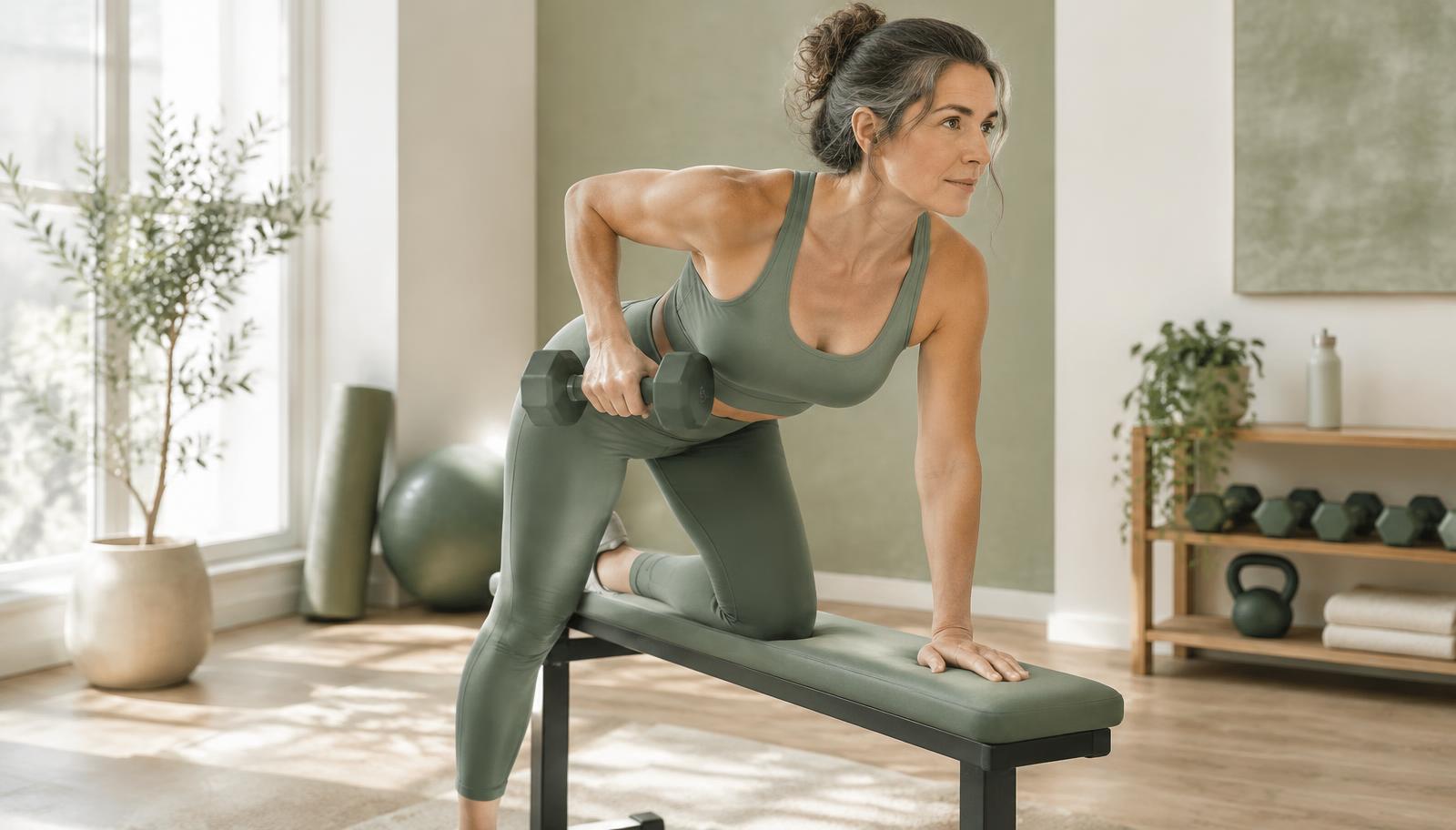
- Start small: If you're a beginner, commit to just 8–10 minutes a day, 2–3 days a week of strength work (e.g., squats). - Best timing: Whenever possible, train in the morning. It activates the sympathetic nervous system, boosts cognitive performance and gets the habit done before the day complicates. - Consistency beats intensity: The goal isn't to exhaust yourself to the point of rejection. Create positive experiences that are sustainable over time.
4. Fast-twitch fibers and the loss of speed
After age 35 — with sharper drops around 44 and 66 — muscular aging accelerates. We lose far more fast-twitch fiber (about 75% between ages 30 and 90) than slow-twitch fiber (only about 25%).
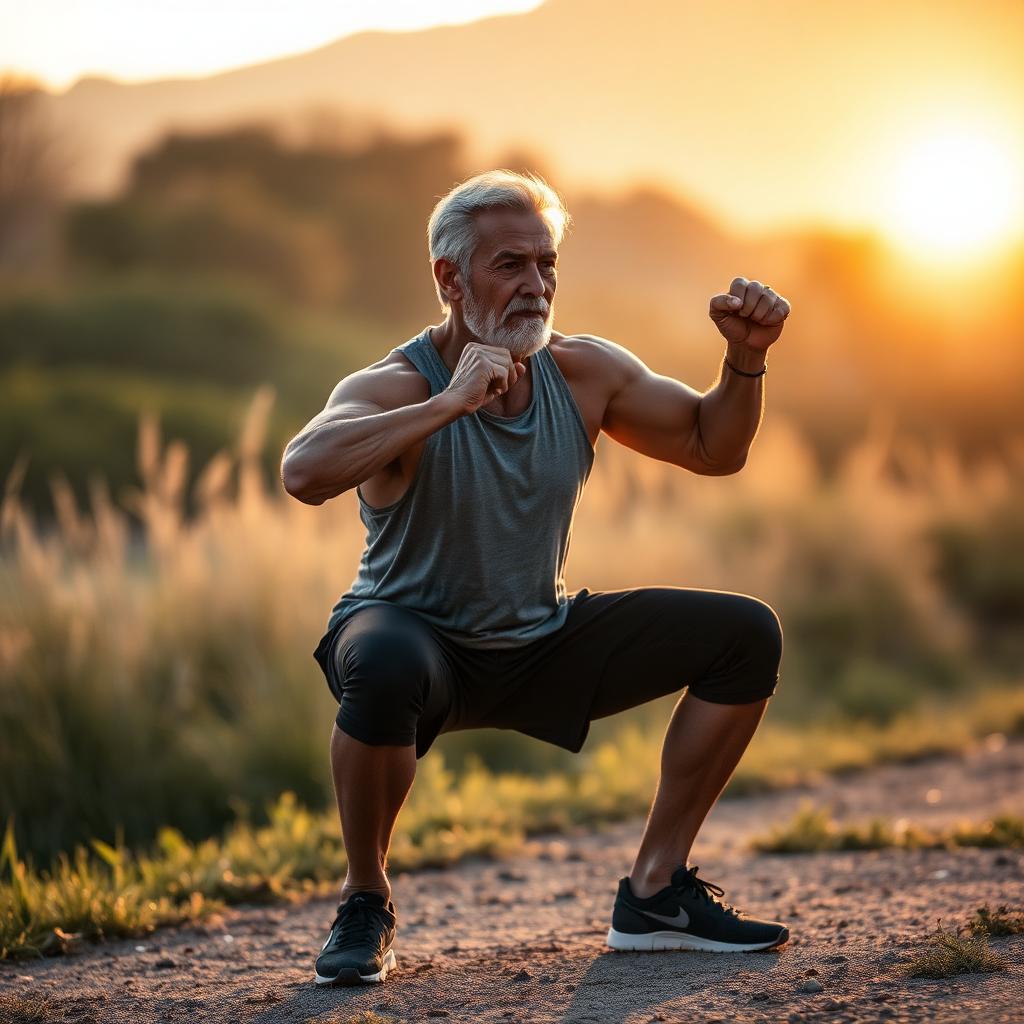
Strategy: Move the load — body weight or external weight — as fast as possible during the concentric (lifting) phase to stimulate those fast fibers.
5. Localized fat and fasted training
For those wanting to reduce abdominal fat, Felipe outlines a useful metabolic context:
- Train in a state of low insulin — fasted or on a low-carbohydrate diet. - Do exercises targeting the area (e.g., abdominal work) without reaching fatigue, to warm the zone and mobilize fatty acids. - Follow with easy Zone 2 cardio to oxidize that fat in the mitochondria.
6. Education and emotion
"We are what we repeatedly do." We don't depend only on genetics; we depend on our habits. The goal isn't to guilt-trip anyone, but to educate and help overcome personal barriers so exercise becomes a life insurance policy.
Bringing it together
Aging 20 years faster isn't inevitable. A small, consistent dose of strength and cardio, preferably in the morning, protects your fast-twitch fibers, raises your VO2 max and keeps you functional and independent. If you'd like a personalized movement plan built around your current fitness and goals, our team can help you design one.
_Educational content — not medical advice._