PRP Therapy for Joint Pain: What the Latest Research Shows
Platelet-Rich Plasma (PRP) injections have become a leading regenerative alternative to steroids. Learn how PRP works, who benefits most and typical outcomes.
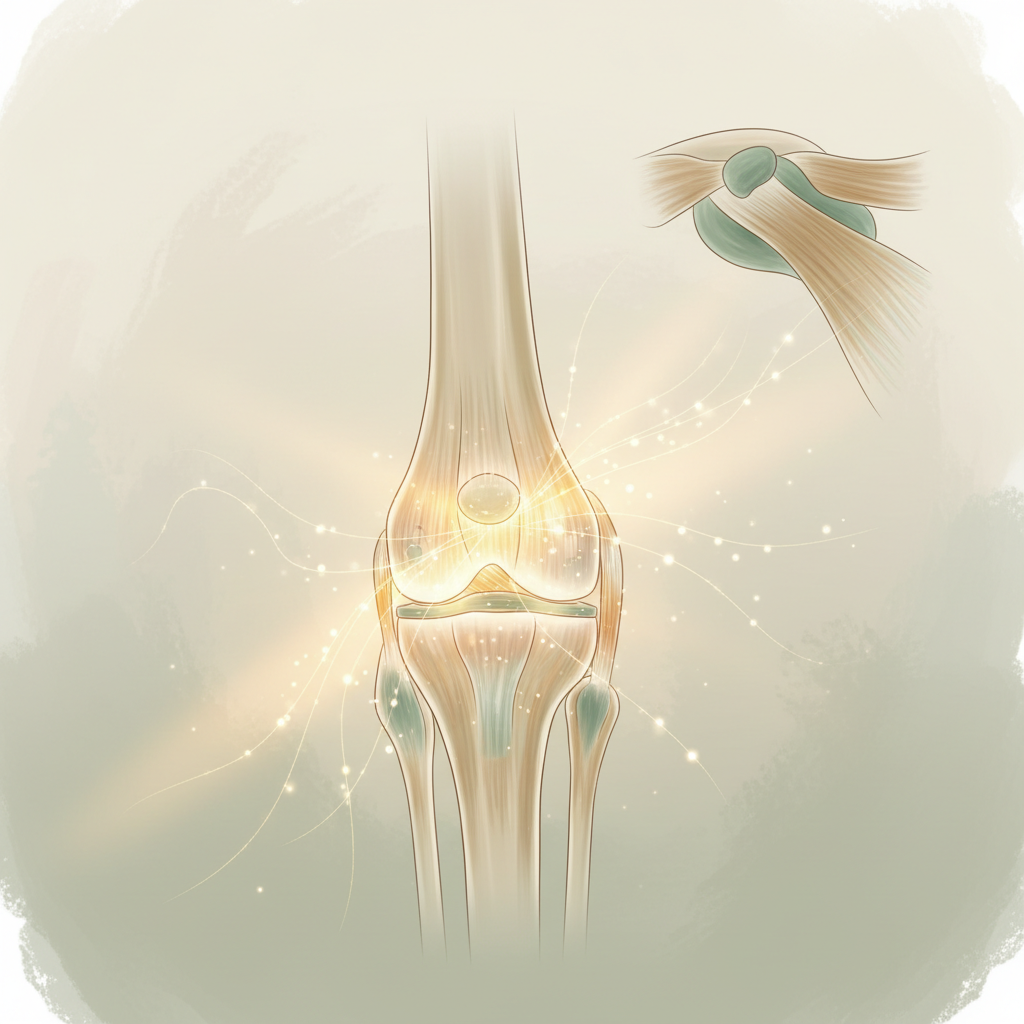
Educational content — not medical advice. This article is informational only and does not replace personalized care from a qualified healthcare professional. Read our full medical disclaimer.
The modern conversation about wellness is shifting from managing disease to actively optimizing how we live, feel and perform. In this article we look at PRP Therapy for Joint Pain: What the Latest Research Shows through the lens of longevity medicine, regenerative science and everyday practice.
Why this matters right now
Interest in PRP has climbed sharply over the last three years. What was once a niche conversation among biohackers is now shaping mainstream clinical guidelines. Platelet-Rich Plasma (PRP) injections have become a leading regenerative alternative to steroids. Learn how PRP works, who benefits most and typical outcomes.
The science behind it
Peer-reviewed research over the past decade has clarified several mechanisms. The best available data supports a coherent story: chronic low-grade inflammation, mitochondrial decline and cellular senescence are not inevitable side effects of aging — they are modifiable inputs. Interventions that reduce these three factors consistently improve markers linked to healthspan.
For PRP, the most robust evidence comes from randomized trials evaluating outcomes such as inflammatory cytokines (IL-6, TNF-alpha, hs-CRP), functional capacity, patient-reported quality of life and, increasingly, biological age biomarkers derived from epigenetic clocks.
Practical protocol
A well-designed wellness protocol integrates several layers rather than relying on a single intervention:
- Foundation: sleep, nutrition, movement and stress regulation.
- Targeted supplementation: evidence-based nutraceuticals dosed to lab-verified deficiencies.
- Regenerative therapies: when indicated, treatments such as PRP, peptides, ozone or exosomes chosen for the specific clinical picture.
- Continuous measurement: structured blood panels, functional testing and — for many patients — wearables and continuous glucose monitors.
The order matters. Most people over-invest in step 3 while neglecting step 1. Sustainable results come from stacking the layers in sequence.
Who benefits most
Patients who see the largest gains from a PRP program tend to share three characteristics: they measure baseline biomarkers before starting; they follow the protocol consistently for at least 12 weeks; and they combine clinical treatments with daily habit changes rather than viewing them as substitutes.
Almost everyone can benefit at some level, but the most dramatic results happen when the intervention matches an identified deficit — not when it is applied as a generalized "trend."
Realistic expectations
Wellness marketing overpromises constantly. A well-designed program should produce noticeable subjective changes within 30–60 days (energy, sleep, mood, mobility) and measurable biomarker shifts within 3–6 months. If a protocol claims transformative results in days or dramatic reversal without lifestyle change, treat it with skepticism.
Bringing it together
PRP Therapy for Joint Pain: What the Latest Research Shows is one piece of the modern longevity puzzle. The most effective approach today combines conservative medicine, functional testing and — when clinically justified — regenerative therapies, always around a foundation of sleep, nutrition, movement and connection. If you'd like a personalized plan built around your goals and labs, our team can help you design one.